The FBI and Aretha Franklin,

  Aretha Franklin, a memo found in an file from the Federal Bureau of Investigation (F.B.I.) dated April 8, 1968 reveals that the Federal Bureau of Investigation monitored the giant of soul & gospel music for years, collecting intelligence from sources on her involvement in the civil rights movement & what it suspected were her links to Black Panthers, Communists & those it deemed “Black extremists.”


Research suggests the generation that grew up in the 1960s and 70s wasn't hardened by trauma so much as tempered by ordinary difficulty — the kind of low-level, unmanaged adversity that modern safety culture has almost completely removed from childhood When children encounter everyday scrapes and tumbles, they build resilience that safety-obsessed parenting may inadvertently undermine. My uncle fell out of a mango tree at nine and broke his arm in two places. Nobody sued the tree. There was no incident report, no family meeting, no follow-up email. He got a cast, a scolding, and a month later he was back up the same tree, only better at it. I thought about that last week when a friend sent me a photo of her son’s new school playground here in Bangkok. Rubber flooring. Every corner rounded. A climbing frame roughly the height of a kitchen counter. It looked less like a playground than a very expensive apology. And she wasn’t wrong to want it. That’s the part that makes this worth writing about. Some difficulty beats none The usual story about the generation raised in the sixties and seventies is that they were hardened by hardship. I don’t think that’s quite it. The more interesting claim is that they were tempered by ordinary difficulty, the low-grade, unmanaged, nobody-is-coming kind. There’s research pointing this way. A large longitudinal study by Mark Seery and colleagues at Buffalo and UC Irvine tracked a national sample over several years and found something counterintuitive: people who had lived through a moderate amount of lifetime adversity reported better mental health than people with a lot of it. Fair enough. But they also reported better mental health than people with none at all. The shape of the finding is a U. Too much difficulty flattens you. None at all leaves you untested. The middle is where people seemed to build something. Seery was careful about this, and I will be too. It’s correlational. You cannot randomly assign people terrible childhoods to check. But he made a point I keep coming back to: they studied major adversity, and there’s reason to think smaller, more mundane experiences do similar work. What actually disappeared Here’s where it gets concrete. In 1971, researchers in England found that around 80 per cent of seven and eight year olds were allowed to get to school on their own. By 1990, in the follow-up study by Mayer Hillman and his colleagues, that figure had collapsed to 9 per cent. Nine per cent. Inside twenty years. That’s not a story about trauma. Walking to school is not a hardship. It’s a story about a thousand tiny problems that used to be a child’s to solve. Which route. What to do when it rains. How to handle the older kid who wants your lunch money. Whether to say something or keep walking. Peter Gray, a psychologist at Boston College, has spent years arguing that the decline in free, unsupervised play tracks the rise in anxiety and depression among young people over the same decades. His stronger claim is about something called locus of control, which is a clunky term for a simple idea: do you believe your life is mostly steered by you, or mostly by forces outside you? Over the second half of the twentieth century, young people’s answers drifted steadily towards the second one. Gray’s argument is that you cannot develop a sense that you can handle things without ever being left to handle things. I am not romanticising 1974 Let me be honest about the other side, because the nostalgic version of this argument is rubbish. The seventies also had no seatbelts, lead in the petrol, casual violence in schools, and a culture that told children with genuinely awful home lives to get on with it. A lot of what we now call safety culture is straightforwardly good. Fewer children die. That is not a trade-off, it’s a win. The trouble is that we removed two things at once. We removed the genuine dangers, which was correct, and we removed the ordinary friction, which came along for the ride. Those are different problems and we solved them with the same tool. I grew up in Manila in the nineties, which was somewhere in the middle of this shift. I was later sent to boarding school in Australia, which I don’t recommend as a parenting strategy but which did teach me, at thirteen, that if I forgot my kit nobody was going to drive it over. Small thing. Stuck, though. Risk and danger are not the same word This is the distinction that unlocks the whole thing for me. Danger is a hazard the child cannot see or assess. A broken bottle in the sandpit. A gap in a fence near a road. You remove those, always, without debate. Risk is something the child can see, weigh up, and choose. Climbing higher. Going further. Handling a tool that could pinch. A systematic review led by Mariana Brussoni at the University of British Columbia looked at twenty-one studies on risky outdoor play and found broadly positive effects on physical activity, social behaviour and, notably, no clear evidence that it produced more injuries. Kids are surprisingly decent risk assessors when they’re given anything to practise on.


Research suggests the generation that grew up in the 1960s and 70s wasn't hardened by trauma so much as tempered by ordinary difficulty — the kind of low-level, unmanaged adversity that modern safety culture has almost completely removed from childhood

When children encounter everyday scrapes and tumbles, they build resilience that safety-obsessed parenting may inadvertently undermine.


My uncle fell out of a mango tree at nine and broke his arm in two places. Nobody sued the tree. There was no incident report, no family meeting, no follow-up email. He got a cast, a scolding, and a month later he was back up the same tree, only better at it.

I thought about that last week when a friend sent me a photo of her son’s new school playground here in Bangkok. Rubber flooring. Every corner rounded. A climbing frame roughly the height of a kitchen counter. It looked less like a playground than a very expensive apology.

And she wasn’t wrong to want it. That’s the part that makes this worth writing about.

Some difficulty beats none

The usual story about the generation raised in the sixties and seventies is that they were hardened by hardship. I don’t think that’s quite it. The more interesting claim is that they were tempered by ordinary difficulty, the low-grade, unmanaged, nobody-is-coming kind.

There’s research pointing this way. A large longitudinal study by Mark Seery and colleagues at Buffalo and UC Irvine tracked a national sample over several years and found something counterintuitive: people who had lived through a moderate amount of lifetime adversity reported better mental health than people with a lot of it. Fair enough. But they also reported better mental health than people with none at all.

The shape of the finding is a U. Too much difficulty flattens you. None at all leaves you untested. The middle is where people seemed to build something.

Seery was careful about this, and I will be too. It’s correlational. You cannot randomly assign people terrible childhoods to check. But he made a point I keep coming back to: they studied major adversity, and there’s reason to think smaller, more mundane experiences do similar work.

What actually disappeared

Here’s where it gets concrete. In 1971, researchers in England found that around 80 per cent of seven and eight year olds were allowed to get to school on their own. By 1990, in the follow-up study by Mayer Hillman and his colleagues, that figure had collapsed to 9 per cent.

Nine per cent. Inside twenty years.

That’s not a story about trauma. Walking to school is not a hardship. It’s a story about a thousand tiny problems that used to be a child’s to solve. Which route. What to do when it rains. How to handle the older kid who wants your lunch money. Whether to say something or keep walking.


Peter Gray, a psychologist at Boston College, has spent years arguing that the decline in free, unsupervised play tracks the rise in anxiety and depression among young people over the same decades. His stronger claim is about something called locus of control, which is a clunky term for a simple idea: do you believe your life is mostly steered by you, or mostly by forces outside you? Over the second half of the twentieth century, young people’s answers drifted steadily towards the second one.

Gray’s argument is that you cannot develop a sense that you can handle things without ever being left to handle things.

I am not romanticising 1974

Let me be honest about the other side, because the nostalgic version of this argument is rubbish.

The seventies also had no seatbelts, lead in the petrol, casual violence in schools, and a culture that told children with genuinely awful home lives to get on with it. A lot of what we now call safety culture is straightforwardly good. Fewer children die. That is not a trade-off, it’s a win.

The trouble is that we removed two things at once. We removed the genuine dangers, which was correct, and we removed the ordinary friction, which came along for the ride. Those are different problems and we solved them with the same tool.

I grew up in Manila in the nineties, which was somewhere in the middle of this shift. I was later sent to boarding school in Australia, which I don’t recommend as a parenting strategy but which did teach me, at thirteen, that if I forgot my kit nobody was going to drive it over. Small thing. Stuck, though.

Risk and danger are not the same word

This is the distinction that unlocks the whole thing for me.

Danger is a hazard the child cannot see or assess. A broken bottle in the sandpit. A gap in a fence near a road. You remove those, always, without debate.

Risk is something the child can see, weigh up, and choose. Climbing higher. Going further. Handling a tool that could pinch. A systematic review led by Mariana Brussoni at the University of British Columbia looked at twenty-one studies on risky outdoor play and found broadly positive effects on physical activity, social behaviour and, notably, no clear evidence that it produced more injuries.

Kids are surprisingly decent risk assessors when they’re given anything to practise on.

 — the kind of low-level, unmanaged adversity that modern safety culture has almost completely removed from childhood

When children encounter everyday scrapes and tumbles, they build resilience that safety-obsessed parenting may inadvertently undermine.


My uncle fell out of a mango tree at nine and broke his arm in two places. Nobody sued the tree. There was no incident report, no family meeting, no follow-up email. He got a cast, a scolding, and a month later he was back up the same tree, only better at it.

I thought about that last week when a friend sent me a photo of her son’s new school playground here in Bangkok. Rubber flooring. Every corner rounded. A climbing frame roughly the height of a kitchen counter. It looked less like a playground than a very expensive apology.

And she wasn’t wrong to want it. That’s the part that makes this worth writing about.

Some difficulty beats none

The usual story about the generation raised in the sixties and seventies is that they were hardened by hardship. I don’t think that’s quite it. The more interesting claim is that they were tempered by ordinary difficulty, the low-grade, unmanaged, nobody-is-coming kind.

There’s research pointing this way. A large longitudinal study by Mark Seery and colleagues at Buffalo and UC Irvine tracked a national sample over several years and found something counterintuitive: people who had lived through a moderate amount of lifetime adversity reported better mental health than people with a lot of it. Fair enough. But they also reported better mental health than people with none at all.

The shape of the finding is a U. Too much difficulty flattens you. None at all leaves you untested. The middle is where people seemed to build something.

Seery was careful about this, and I will be too. It’s correlational. You cannot randomly assign people terrible childhoods to check. But he made a point I keep coming back to: they studied major adversity, and there’s reason to think smaller, more mundane experiences do similar work.

What actually disappeared

Here’s where it gets concrete. In 1971, researchers in England found that around 80 per cent of seven and eight year olds were allowed to get to school on their own. By 1990, in the follow-up study by Mayer Hillman and his colleagues, that figure had collapsed to 9 per cent.

Nine per cent. Inside twenty years.

That’s not a story about trauma. Walking to school is not a hardship. It’s a story about a thousand tiny problems that used to be a child’s to solve. Which route. What to do when it rains. How to handle the older kid who wants your lunch money. Whether to say something or keep walking.


Peter Gray, a psychologist at Boston College, has spent years arguing that the decline in free, unsupervised play tracks the rise in anxiety and depression among young people over the same decades. His stronger claim is about something called locus of control, which is a clunky term for a simple idea: do you believe your life is mostly steered by you, or mostly by forces outside you? Over the second half of the twentieth century, young people’s answers drifted steadily towards the second one.

Gray’s argument is that you cannot develop a sense that you can handle things without ever being left to handle things.

I am not romanticising 1974

Let me be honest about the other side, because the nostalgic version of this argument is rubbish.

The seventies also had no seatbelts, lead in the petrol, casual violence in schools, and a culture that told children with genuinely awful home lives to get on with it. A lot of what we now call safety culture is straightforwardly good. Fewer children die. That is not a trade-off, it’s a win.

The trouble is that we removed two things at once. We removed the genuine dangers, which was correct, and we removed the ordinary friction, which came along for the ride. Those are different problems and we solved them with the same tool.

I grew up in Manila in the nineties, which was somewhere in the middle of this shift. I was later sent to boarding school in Australia, which I don’t recommend as a parenting strategy but which did teach me, at thirteen, that if I forgot my kit nobody was going to drive it over. Small thing. Stuck, though.

Risk and danger are not the same word

This is the distinction that unlocks the whole thing for me.

Danger is a hazard the child cannot see or assess. A broken bottle in the sandpit. A gap in a fence near a road. You remove those, always, without debate.

Risk is something the child can see, weigh up, and choose. Climbing higher. Going further. Handling a tool that could pinch. A systematic review led by Mariana Brussoni at the University of British Columbia looked at twenty-one studies on risky outdoor play and found broadly positive effects on physical activity, social behaviour and, notably, no clear evidence that it produced more injuries.

Kids are surprisingly decent risk assessors when they’re given anything to practise on.


Substack


I have opened up parts  my Substack site on organized crime for free viewing. Members get to read everything but for those causally dropping by, I’ve made a number of articles open for free viewing. As the month progresses I’ll make about a third of the site open for public viewing.   

https://johnwilliamtuohy.substack.com/publish/home

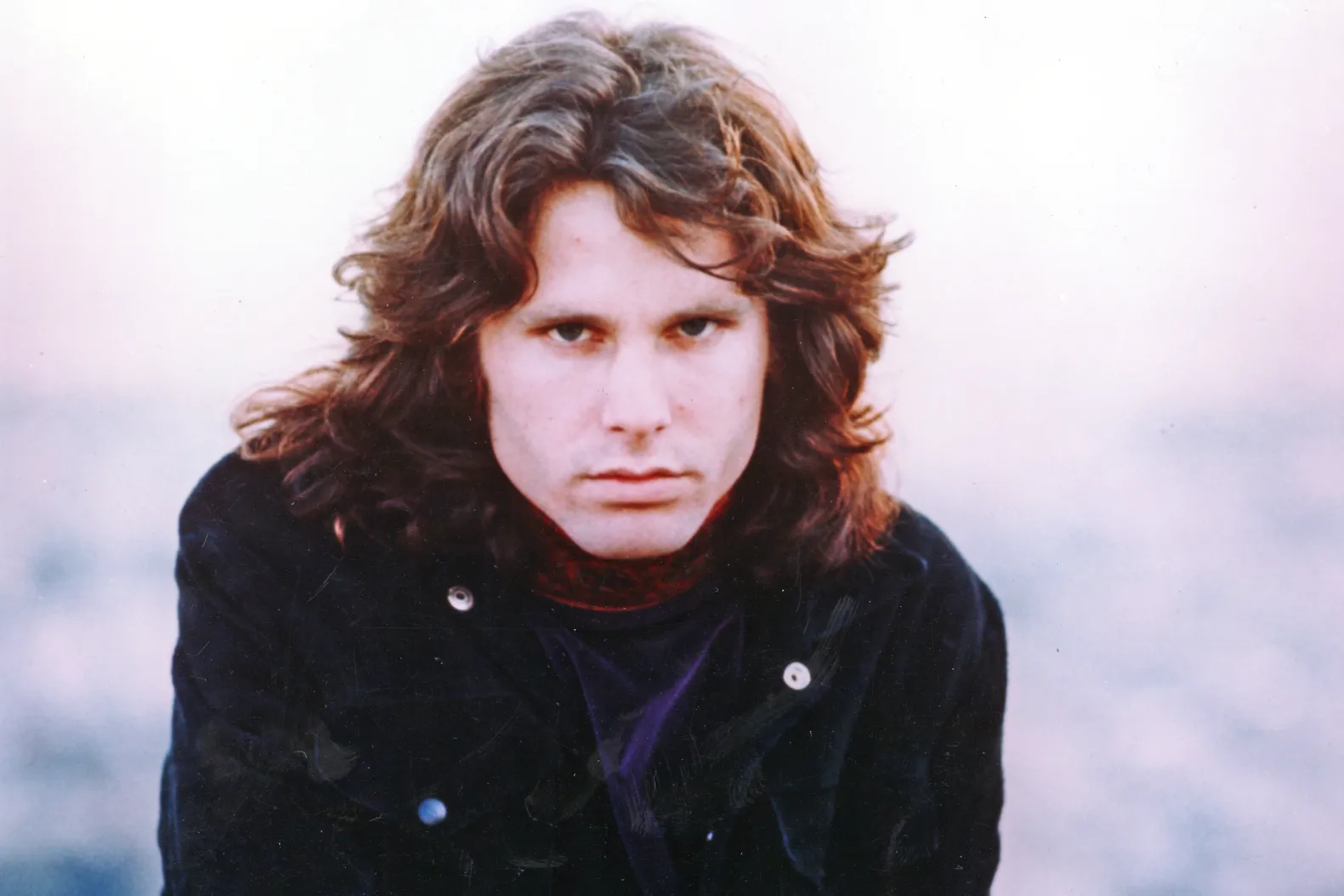
Jim Morrison


 This is Jim Morrison’s  Great-Great Grandfather, Stephen Morrison, 1826–1867, of Lawrence County, PA. Private, US Army, Pennsylvania Infantry Militia, 1863.

He was also a School Superintendent. He died suddenly at age 41, while traveling a short distance to visit his 85 year old father, who was recently taken ill


The Zombies (I love that group)


Odessey and Oracle (Mono Remastered)

Best Reissue Nominee

We’re delighted to share that The Zombies/Beechwood Park Records’ Odessey and Oracle (Mono Remastered) has been nominated for Best Reissue at the 2026 Libera Awards. Taking place in New York City on 8 June, the Libera Awards celebrate the powerful and distinctive voice of the independent music community. We’re truly honoured to be part of this year’s celebration!

Begin Here (Mono Remastered)

Out April 17, 2026

Enjoy the limited edition 7” Add-On featuring “She’s Not There” and “The Way I Feel Inside”

Mob books


The following books are available free of charge with a $5.00 a month fee for our mob super site “mobsters and gangsters.substack,com/ subscribe”

Otherwise all of the titles are available on Aazon.Com at standard market prices.

The site also offers 1,149 posts on the mob across American.

We’re still building the site and add several hundred posts a month, by December of this year, the site will offer 1,800 posts.


mobstersandgangsters.substack.com/subscribe


ORGANIZED CRIME


The Book of Prohibition Gangsters : From A to Z


Joe Petrosino’s War On the Mafia: The Mob Files Series

The Mobs Empire: The US Governments Time Line of Organized Crime

The Mob Files: It Happened Here: Places of Note in Chicago gangland

Shooting the Mob: Organized Crime in Photographs: Dead Mobsters, Gangsters and Hoods.

The New England Mafia. Illustrated.: With testimony from Frank Salemme and a US Government time line.

The Kefauver Organized Crime Hearings. Abridged

The Nutmeg Mafia.: An Informal History of Organized Crime in Connecticut.

The Mob, Sam Giancana and the overthrow of the Black Policy Rackets in Chicago.

The Book of Jewish Gangsters

Corleone: A Tale of Sicily

A brief History of Organized Crime on the New York Waterfront.

A Brief History of Chicago’s Mob Bosses Tony Accardo and Sam Giancana.

Al Capone: The Biography of a Self-Made Man.: Revised from the original 193 edition.

The Mobs Empire: Organized crime in Chicago

Mob History Magazine:  Mobster Across America: New England, New Jersey, New York, Cuba

Mob History Magazine: Prohibition Gangsters. Part 1

Mob History Magazine: Prohibition Gangsters. Part 2

Mobsters Brief Bio’s Volume 2: Four stories: The Murder of Rosy Rosenthal, Guns in the Sun. The Cohen-Dragna War. Killer, The Murky World of Joey Ep.

Mobster Brief Bio’s Volume 4: The Chicago Mobs Crooked Cops: Tubbo Gilbert, the World’s Richest Cop, William Hanhardt, the heartbreaker

Mob History Magazine. The Mob in the Porn industry: Reuben Sturman and Colombo’s

Bugsy & His Flamingo: The Testimony of Virginia Hill

A Vocabulary Of Criminal Slang. With Some Examples Of Common Usages

 The Threat of Russian Organized Crime.

The Stolen years

When Capone's Mob Murdered Touhy. By John W. Tuohy

The US Governments time line of Organized crime192-1987. Illustrated

The Russian Mafia in America: With one hundred illustrations

The Salerno Report. The Mafia and the Murder of President John F. Kennedy: The report by Mafia expert Ralph Salerno Consultant to the Select Committee on Assassinations

The New York Mob: The Bosses

Early Female Criminals Of New York City

Early Gangsters of New York City.

The Mob Files: Whacked: One Hundred Years Murder and Mayhem in the Chicago Outfit

The Mob Files. Chicago's Mob Bosses

The Mob Files. Guns and Glamour: The Chicago Mob. A History.

The Mob Files Series. The Mob Across America

The Mob Files. The Mob in Hollywood

The Mob Files. The Mob in Vegas

The Mob from A to Z. Volume 1. Abatte to Bozic

The Mobs Empire Organized Crime in Chicago

The Mobs Empire : Department of Justice Chronological History of La Cosa Nostra in the United States 1920-1987

The Mobs Empire. New York Families Time Line. 1895-211: Abridged and Illustrated

The New England Mafia

The New York Mafia: The Origins of the New York The New York Mob: The Bosses

The Illustrated Book of Prohibition Gangsters

The Life and Times of Terrible Tommy O'Connor

The Life and World of Al Capone

The Mob and the Kennedy Assassination: Jack Ruby. Testimony by Mobsters Lewis McWillie, Joseph Campisi and Irwin Weiner

The Best of the Mob Files Series: Illustrated Articles on Organized Crime Vol. 1

The Best of the Mob Files Series: Illustrated Articles on Organized Crime Vol. 1

The Best of the Mob Files Series. Illustrated Articles on Organized Crime Vol. 2

The Best of the Mob Files Series. Illustrated Articles on Organized Crime Vol. 1: Select Feature Articles on Organized Crime from The American Mafia Collection

The Bioff Scandal.: The Mobs Shakedown of the Hollywood Studios

A History of Violence: An Encyclopedia of 14 Chicago Mob Murders 1st Edition

Organized Crime: 25 Years after Valachi. Hearings before the US Senate

Organized Crime. Volume 2: : Jewish–American Gangsters

Shooting the Mob: Organized Crime in Photographs. Dutch Schultz.

Shooting the Mob: Organized Crime in photos. Crime Boss Tony Accardo

The Book of American-Jewish Gangsters: A Pictorial History.

Shooting the mob. Organized crime in photos. Dead Mobsters, Gangsters and Hoods.

The Apache’s of New York:  Early Gangsters of New York City

Rattling the Cup on Chicago Crime. Abridged

Roger Touhy. The Last Gangster.: The true story of the bootlegger who took on the Chicago mob.

Shooting the Mob: Organized Crime in Photos: The Saint Valentine’s Day Massacre.

Shooting the Mob: Organized Crime in Photos: The Saint Valentine’s Day Massacre.

Mob Buster: Report of Special Agent Virgil Peterson to the Kefauver Committee

Mob History Magazine : Gangsters by Gaslight

Mob History Magazine: Chicago Gangsters Last Days

Mob History Magazine: Chicago Mob Characters

Mob History Magazine. : Volume 1

Mob History Magazine. New York's Jewish Mobster

Mob History Magazine. The US Government’s Time Line of Organized Crime in New England: 1945-23. Special Edition

Mob History Magazine.: Volume 1

Mob Magazine Irish American Gangsters: Special Issue

Mob Magazine: Prohibition Gangsters: Special Issue

Mob Recipes to Die For. Meals and Mobsters in Photos

Mob Recipes to Die For. Meals and Mobsters in Photos.

Mob Testimony: Joe Pistone, Michael Scars DiLeonardo, Angelo Lonardo and others: The court testimony of FBI New York Undercover Agent Joe Pistone, Gambino Family Mobster Michael DiLeonardo, Cleveland Mob Boss Angelo Lonardo, Chicago Mob Cop Michael Corbitt

Mobster Brief Bio’s Volume 3: A trio of stories: Joe Petrosino’s War on the Mafia, Murray the Camel, St. Valentine’s Day Massacre.

The Mob and the overthrow of the Black Policy Rackets in Chicago.

The Mob Files: It Happened Here: Places of Note in Chicago gangland 19 to 2

The Mob Files: Mob Cops, Lawyers and Informants and Fronts

The Mob Files: Mob Wars. "We Only Kill Each Other"

The Mob Files: The Book of Jewish Gangsters Of The Midwest From A to Z

The Mob Files: The Illustrated Guide to the Mob in Vegas

The Mob Files: The Mob Across America

The Dutchman's Soliloquy.: A one Act Play based on the factual last words of Gangster Dutch Schultz.

More Mob Recipes to Die For. Meals and Mobsters in Photos.

Jewish Gangsters of New York. From A to Z 19-2

Joe Petrosino’s War On the Mafia

Joe Valachi's Testimony on the Mafia. Abridged.

Mafia Testimony: State and Federal Hearing testimony on Organized Crime.: Boston, Chicago, Cleveland, New Jersey, New York, Philadelphia, and Kansas City.

Gangland Gaslight: The Killing of Rosy Rosenthal. (Illustrated)

Gangs of New York City

Gangsters Quotes: Mobsters in their own words. Illustrated

Glamour Gangster: : The Mob in Hollywood.

Chicago’s Mob Bosses: From Accardo to Zizzo

Brief Mob Bio’s Volume 5: A Trio of Stories:: The Eastman Gang, Joe the Boss, Hollywood’s Call Girl

Brief Mob Bio’s Volume 6.: The Mob, the Kennedys, and Frank Sinatra Jake Guzik, Capone’s Numbers Man

Brief Mob Bio’s Volume 7: Four Stories: Tony the Hat: The real founder of Las Vegas, The Gangster of Brighton Beach, Little Moey, Potatoes Kaufman Mob pioneer.

Brief Mob Bio’s. Volume 8 Terrible Tommy O’Connor. Chicago Gangster

An Illustrated Chronological History Of Organized Crime Volume 1. 1863-1949

An Illustrated Chronological History Of Organized Crime. Vol1. 1863-1949

An Illustrated Chronological History of Organized Crime. Vol. 2.

 An Illustrated Chronological History of the Chicago Mob. Time Line

 An Illustrated Chronological History of the New York Mobs 1895-2 Vol. 1

An Illustrated Chronological History Of the New York Mobs TimeLine 1895-2

And that's how it was, Officer : A short novel about disappearing gangsters

The White Moll: With Novel and film summary and author Biography.


Join us


I’m John William Tuohy, I am one of the founders of this site. I’ve open a Substack for all of my organized crime stories. The cost is $5 a month. At the moment I have 719 stories on the site with another 2500 pending in the next 6 to 12 months.

There is also free access to 410 mob/true crime videos on Youtube.

Within the next 30 days, paying members will have free access to complete a books on organized crime and True Crime.  

Please take a look and consider joining.

https://johnwilliamtuohy.substack.com/sitemap

David Crosby

David Crosby isn't just another California singer, he had roots.

Crosby was related to the Van Cortland and Van Rensselaer family.


The Van Cortlandt family was an influential political dynasty from the seventeenth-century Dutch origins of New York through its period as an English colony, then after it became a state, and into the nineteenth century. It rose to great prominence with the award of a Royal Charter to Van Cortlandt Manor, an 86,000-acre (35,000 ha) tract in today's Westchester County sprawling from the Hudson River to the Connecticut state line granted as a Patent to Stephanus Van Cortlandt in 1697 by King William III.

The Van Rensselaer family is a family of Dutch descent that was prominent during the 17th, 18th, and 19th centuries in the area now known as the state of New York. Members of this family played a critical role in the formation of the United States and served as leaders in business, politics and society.


Jim Morrison's father


Morrisons father was George Stephan Morrison, a rear admiral in the US Navy and played a big roll in the CIA inspired Gulf of Tonkin incident that led to the Viet Nam war.   

His first command ship, The Homme Richard was decommissioned in July of 1971. The next day his son died of an overdose.

                                                         Available now on Amazon


Frank Zappa

 Frank Zappa's father was a chemical engineer for the US Army during the war in Viet Nam and worked out of Fort Edgewood, where the mysterious Project Ultra got its start.


Available now on Amazon.